
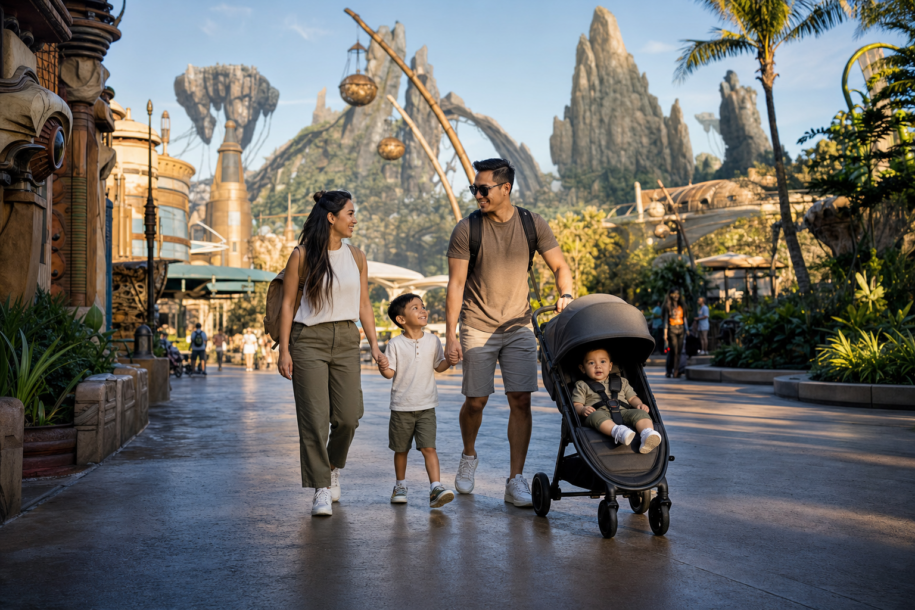
How to Plan a 5-Day Universal Orlando Trip With Young Kids (All 4 Parks, Without Burnout)
Universal Orlando is now a bigger family vacation than it used to be. With four parks to consider—Universal Studios Florida, Islands of Adventure, Universal Epic Universe, and Volcano Bay—parents are understandably asking whether five days is enough, especially when toddlers, preschoolers, naps, heat, and ride height limits are part of the equation.
The short answer is yes: a Universal Orlando 5 day itinerary for families can cover all four parks without turning every day into a race. The key is not trying to complete every ride, show, shop, and restaurant. Instead, give each park a clear priority, protect the middle of the day, and leave one flexible day for favorites, weather changes, and the attractions your child was finally ready to try.
This plan is designed for families who want to experience the full resort while keeping young children comfortable. It accounts for early mornings, pool breaks, overstimulation, changing weather, stroller naps, and the reality that a child who was cheerful at breakfast may be finished with theme parks by mid-afternoon.
Who This Five-Day Universal Orlando Plan Is Best For
This itinerary works especially well for families staying for at least five nights, ideally at a Universal hotel or another nearby Orlando accommodation where returning for a midday rest is realistic. It is a strong fit for parents traveling with toddlers, preschoolers, elementary-age children, or siblings with very different ride interests.
It is also useful for families using a multi-day Park-to-Park ticket that includes the four Universal Orlando parks. Universal currently highlights multi-day ticket options that can include Universal Epic Universe, Universal Studios Florida, Islands of Adventure, and Volcano Bay. Before building your schedule, review the current ticket details and park access information on the official Universal Orlando Resort destination page, since inclusions and operating details can change.
Five days is enough to visit every park, but it is not enough to see every single thing at a relaxed pace. That distinction matters. A family with a ride-loving eight-year-old may use the final day for repeat coaster rides. A family with a three-year-old may spend that day revisiting gentler attractions, character experiences, play areas, and one favorite park section that felt rushed the first time.
The Family-First Rule: One Major Priority Per Day
The most useful rule for a Universal Orlando itinerary with toddlers is simple: choose one major priority each day. A priority might be seeing the most important themed land, riding the attractions your child meets the height requirement for, taking a long hotel pool break, or ending the evening with a show. It should not be “do everything before lunch.”
Young children tend to handle a theme park morning much better than a long, unbroken day. Arrive early when possible, focus on your highest-priority attractions while everyone is fresh, then make a decision around late morning or lunch: stay for a slower afternoon, return to the hotel, or move at a child-led pace in a shaded area.
For many families, the best rhythm looks like this:
- Arrive near opening or use any eligible early-entry time for a focused morning.
- Ride, explore, and take photos before the heat and crowds build.
- Have an early lunch instead of waiting until everyone is hungry.
- Return to the hotel for naps, swimming, quiet time, or simply air conditioning.
- Come back only if the children are rested and there is a real reason to return.
That final point is important. Do not force an evening return simply because the ticket allows it. A peaceful dinner, hotel pool time, and an early bedtime can be the better choice before a major park day.
Plan Around the Child With the Lowest Energy Reserve
When siblings have different ages or interests, parents often build the day around the child who can do the most. That usually creates trouble by mid-afternoon. Plan around the child who needs the earliest break, has the shortest patience in queues, or is most affected by noise and heat. The older child can still have a great trip through a parent swap, a short one-parent thrill-rider window, or repeat time on Day 5.
A stroller is not just for children who cannot walk. At Universal, it can be the difference between a calm transition and a full meltdown after a long walk through a busy park. Bring a small fan, sunscreen, refillable water bottles, a lightweight rain layer, snacks that your child will actually eat, and one comfort item that does not matter if it gets lost.
Day 1: Universal Studios Florida for an Easier Arrival-Day Pace
Start at Universal Studios Florida. It is a practical first park because it offers a broad mix of indoor attractions, shows, themed streets, family experiences, and food choices. It can feel less physically demanding than opening your trip with the largest walking day or a full water-park day.
If you arrive in Orlando that morning, do not set an unrealistic target. Check in, organize the room, get everyone fed, and enter the park with the goal of enjoying a few attractions rather than “making up” for travel time. If you arrive the day before, use the morning to experience the attractions that matter most to your family, then slow down after lunch.
For younger children, focus on familiar-looking experiences, gentler rides, indoor shows, and places where a child can reset without feeling rushed. For older children, this is a good day for one parent to take a short thrill-rider turn while the other parent explores a lower-intensity area with younger siblings.
Keep your first day short enough that it creates confidence. The goal is to leave saying, “That was fun; we can do more tomorrow,” not “We still have four days left and everyone is exhausted.” If the kids are surprisingly energetic, enjoy an early dinner in the park area or return later. If they are not, leave without guilt.
Day 1 Parent Move: Save Shopping for the Exit
Large stores can be exciting for adults and overwhelming for tired children. Avoid turning your first afternoon into a lengthy shopping stop. Take photos of items you may want, then decide later. Carrying purchases also makes stroller storage and transportation more complicated, especially when you are still learning your family’s daily routine.
Day 2: Islands of Adventure With a Split Plan
Make Islands of Adventure your second day, when everyone has recovered from travel but is not yet worn down by several full park days. This park can be a bigger emotional challenge for families with mixed ages because some of its best-known attractions appeal strongly to thrill riders while younger children may be unable or unwilling to ride.
The solution is to plan a split day before you arrive. Pick one or two must-do attractions for older children and adults. Then identify a parallel plan for the younger child: a gentler attraction, a play area, a snack break, a slow walk through a themed section, or a show. Avoid promising that every family member will stay together for every attraction. That can lead to disappointment and long waits for a child who is not even riding.
Use your fresh morning energy for the attractions with the strongest priority. Around lunch, decide whether the whole family needs a hotel reset. If you are staying close enough to return easily, this is often the ideal day to do it. Islands of Adventure can involve substantial walking, and the afternoon weather can make even a normally cheerful child feel done.
If you stay in the park, slow the pace intentionally. Choose a table-service or indoor meal if it fits your budget and schedule, watch for quieter corners, and let your child spend time noticing details rather than hurrying from one queue to the next. A thirty-minute break before a meltdown is more valuable than squeezing in one more attraction.
What Families Often Overlook at Islands of Adventure
Water rides, splash areas, and sudden rain can leave children damp for hours. Pack a spare shirt, small towel, and dry socks in a waterproof bag. If your child hates wet shoes, this small preparation can save the afternoon. Also check attraction height requirements before making promises. A child who is just below the measurement point does not need to spend an hour talking about a ride they cannot take.
Day 3: Universal Epic Universe With Realistic Expectations
Put Universal Epic Universe on Day 3. It deserves a day of its own, not an add-on after another park. For families, this matters because a new park can bring more than excitement: it can bring sensory overload, lots of stopping for photos, curiosity about every detail, and more walking than expected as children want to explore each area.
Think of this as your “see the big new thing” day, but do not treat it as a checklist. Choose the themed area or attractions that matter most to your family and go there first. If your children are especially excited about one world, spend longer there rather than crossing the park repeatedly to chase every available ride. A young child rarely remembers that they covered every corner; they remember whether they had time to enjoy what interested them.
Build in a flexible midday reset. For some families, that means returning to the hotel. For others, it means a long air-conditioned meal, a quiet snack, or finding a low-stimulation activity before deciding what happens next. Do not schedule a fixed afternoon plan that assumes everyone will have the same energy they had at 9 a.m.
Epic Universe is also a reason to avoid packing too much into Day 2. If you overdo Islands of Adventure, Day 3 becomes harder before it begins. A good five-day plan works because each day protects the next one.
How to Handle Height Restrictions Without Making It a Big Deal
Before the trip, explain that some rides are for bigger kids and adults, while others are for the whole family. Keep the language neutral. Do not frame it as something your child “missed.” Instead, make a short list of experiences that are definitely right for them and give them ownership: let them choose which one comes first, where to have a snack, or which photo spot to visit.
If an adult and older child want to ride something intense, use that time as a special one-on-one moment for the younger child. A frozen treat, a gentle ride, or time in a play space can feel like their own reward rather than waiting around for everyone else.
Day 4: Volcano Bay as a Lower-Pressure Recovery Day
For most families, Volcano Bay should be a slower-paced recovery day rather than a dawn-to-close mission. It is still a theme park day, and young children can get tired from swimming, sun, excitement, and transitions. But it offers a welcome change from queues, pavement, and constant walking.
Start early enough to settle in, find your bearings, and enjoy the water before the strongest afternoon heat. Then give yourselves permission to leave when the children are tired. A water park can be an excellent half-day, especially after three days of theme parks. Returning to the hotel for a nap and an unhurried dinner is not wasting a ticket; it is preserving the family’s energy for the final day.
Parents should bring more dry clothing than they think they need, sunscreen that can be reapplied easily, water shoes if their children use them, and a clear plan for storing phones, medication, and a dry change of clothes. Feed children before they become too hungry. Wet, hungry, tired children can unravel quickly, and the usual theme-park snack strategy does not always work after several hours in the water.
If the forecast looks unsettled, keep Day 4 flexible. Your Day 5 repeat day gives you a safety net, so do not panic if weather changes your water-park plans. You can swap the final two days and use Volcano Bay when conditions are more comfortable.
Day 5: Choose Your Own Repeat Day
Your final day is what makes this a truly family-friendly Universal Orlando 4 park itinerary with kids. Do not assign it too early. Decide after Day 4 based on weather, the children’s mood, missed attractions, and the park everyone keeps mentioning.
Universal Studios Florida is often the easiest repeat for families who want a lower-pressure final day with a flexible mix of indoor experiences and familiar routines. Islands of Adventure is a good repeat if older children missed priority rides or if your family found a themed area they want to explore more slowly. Epic Universe is the best repeat choice if it felt too large to appreciate in one day or if the children were especially captivated by one section. Volcano Bay can be repeated if the weather is excellent and swimming is clearly what your family needs.
Keep the last day lighter than you think. This is when tiredness from travel, late bedtimes, and accumulated stimulation often catches up with children. Aim for favorite rides, a relaxed meal, perhaps a small souvenir decision, and an early departure if the family is done. Leaving while everyone is still happy is a win.
Practical Planning Tips That Make the Schedule Work
- Choose an accommodation strategy before choosing your park schedule. A nearby hotel makes midday breaks far more realistic. If your lodging is farther away, plan longer indoor lunches and quieter in-park resets instead of assuming you will return twice each day.
- Do not make every morning a race. Early access can be valuable, but a child who slept badly may benefit more from an extra hour in bed than from one additional attraction.
- Check heights before each park day. This helps you divide the day fairly and prevents avoidable disappointment at the entrance to a ride.
- Pack for transitions, not just weather. Include snacks, wipes, cooling items, rain protection, a backup outfit, and something calming for waits or transportation.
- Use mobile ordering or meal planning thoughtfully. Mealtimes are often when children melt down. Eat earlier than the busiest times when possible, especially after a busy morning.
- Keep one evening unscheduled. A pool, takeout meal, or early bedtime can rescue the rest of the trip after an unexpectedly hard day.
Common Mistakes Parents Make on a Five-Day Universal Trip
The biggest mistake is treating a five-day ticket as a requirement to spend five maximum-length days in the parks. More park access should create flexibility, not pressure. Another common mistake is moving parks too often. Park-to-Park access is useful, but families with young children often lose more time than they gain through repeated exits, security checks, bathroom stops, snack requests, and stroller transitions.
Parents also underestimate shopping fatigue. A child who has happily walked all morning may become overwhelmed in a crowded store full of lights, sounds, and choices. Save major shopping for a calm moment, and avoid buying fragile or bulky items early in the day.
Finally, do not ignore the “quiet signals” of an approaching meltdown: rubbing eyes, refusing snacks, suddenly wanting to be carried, arguing over small things, or losing interest in attractions they normally enjoy. Those are not signs to push for one final ride. They are signs to find shade, water, food, air conditioning, or the hotel.
Frequently Asked Questions
Is five days enough to visit all four Universal Orlando parks with young children?
Yes, five days is enough to visit all four parks if you define success as experiencing each park’s highlights at a child-friendly pace. It is not enough to do every attraction, particularly if your children need naps or do not meet all height requirements. The final repeat day is what keeps the itinerary flexible.
What is the best park order for a Universal Orlando trip with toddlers?
A practical order is Universal Studios Florida first, Islands of Adventure second, Epic Universe third, Volcano Bay fourth, and a repeat day fifth. This sequence starts gently, places the bigger walking and excitement days before the water-park reset, and leaves room to repeat whatever worked best.
Should Volcano Bay be a full day?
It can be, but it does not have to be. For many families with young children, Volcano Bay works better as a lower-pressure half-day or an early-start day followed by hotel rest. Treat it as recovery from walking, not another attraction checklist.
How should parents plan around naps and afternoon heat?
Use the morning for your highest priorities, have lunch before everyone is hungry, and schedule a hotel break if your location makes it practical. If returning to the hotel is not convenient, choose an indoor meal, a show, or a slow activity during the hottest part of the day. A stroller nap can help, but it is not always a replacement for real rest.
Which Universal parks are easiest to repeat with young children?
Universal Studios Florida is often the easiest repeat because it offers a flexible mix of experiences and can work well for a shorter final day. Epic Universe may be the best repeat if your family wants more time to explore its detailed environments. Islands of Adventure is a good repeat for older siblings who missed priority rides, while Volcano Bay is ideal when the weather is favorable and everyone wants a calmer day.
If you are staying at a hotel, resort, or vacation home, booking a stroller rental in Orlando before arrival can make the first park day easier.
Families with one child may want to consider a Baby Jogger City Mini Single Stroller Rental in Orlando for smoother rides during long theme park days.